When a severe storm hits, most homeowners focus on visible damage. Torn shingles, missing flashing and active leaks are easy to see and important to repair. But the real protection lies beneath the surface, and many homeowners overlook it until it’s too late.
Understanding how roof underlayment performs in hailstorms and snowstorms is crucial for reducing potential damage. It strengthens your roof defense and helps you make informed decisions. Here’s what you need to know about underlayment’s role in protecting your home.
What Is Roofing Underlayment and Why Does It Matter?
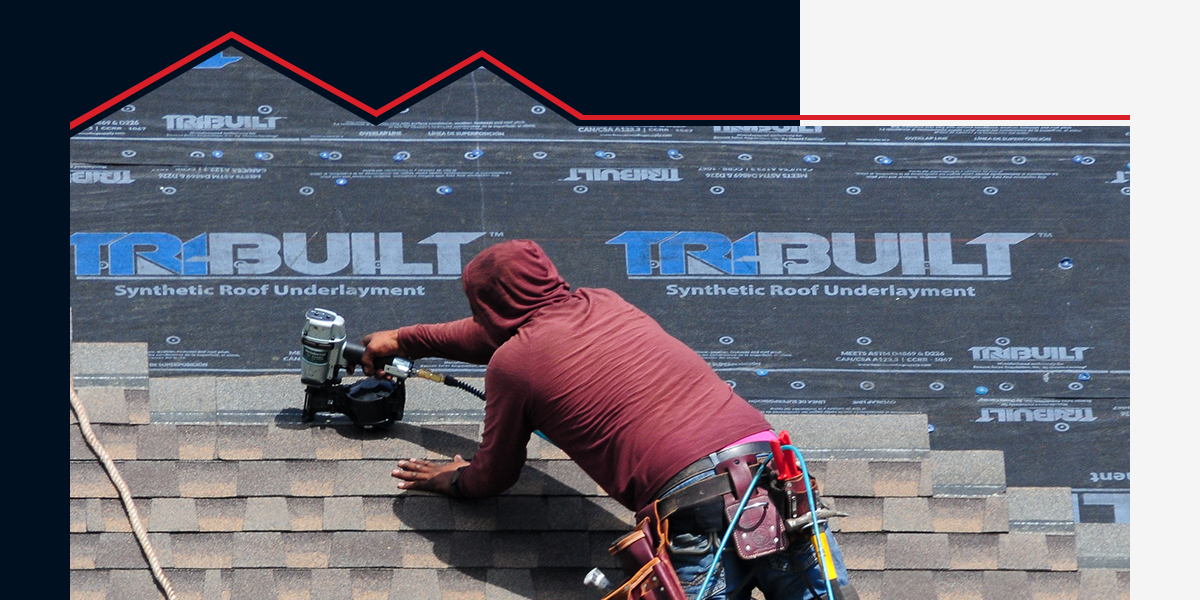
Roofing underlayment is a water-resistant barrier that’s installed directly over your roof deck. It sits between the deck and your installed shingles, creating an extra line of defense against water intrusion.
Shingles aren’t completely waterproof on their own. Underlayment helps to further protect your roofing via:
- Waterproofing: Underlayment protects your home from leaks when shingles are damaged or high winds force rain underneath them. It prevents water from reaching vulnerable wood structures.
- Temperature regulation: It provides an additional layer that contributes to your roof’s overall thermal insulation performance and energy efficiency.
- Long-lasting protection: Extend your roof’s lifespan by protecting the deck from structural damage due to rot, mold growth and moisture issues.
- Code compliance: Comply with building standards that define underlayment as a mandatory requirement per the International Building Code for roof installation.
This secondary protective barrier is a fundamental component that determines whether your roof can withstand severe weather conditions.
What Does Roof Underlayment Do in Heavy Rain and High Winds?
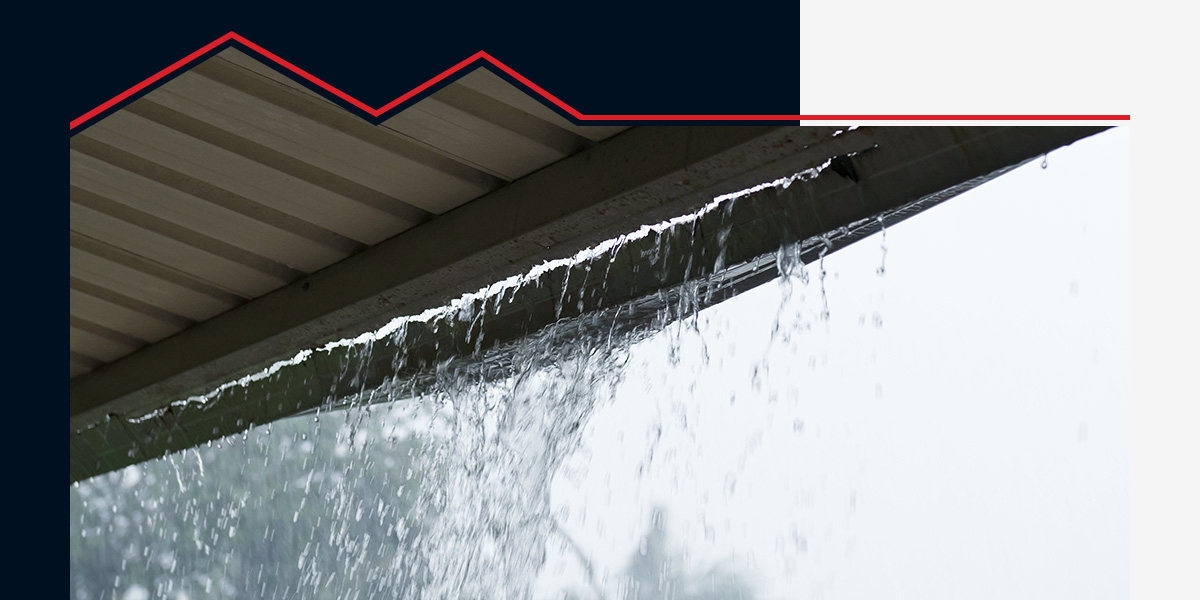
Underlayment is a critical barrier that keeps water out of your home during heavy rain or high winds. Here’s how it actively protects your home:
- Blocking water intrusion: When high winds lift or tear off shingles, your roof deck is exposed. The underlayment is a water-resistant barrier, preventing moisture from reaching vulnerable wood structures.
- Directing water away: If any water gets past the shingles, the underlayment channels it away, guiding excess water downward and away from the roof.
- Preserving structural integrity: Keeping the roof deck dry helps to maintain its stability. In doing so, underlayment provides much-needed support until professional inspections or repairs can be completed.
- Mitigating moisture damage: The underlayment goes beyond immediate leak prevention, helping prevent mold and mildew from forming on the roof deck and in the attic.
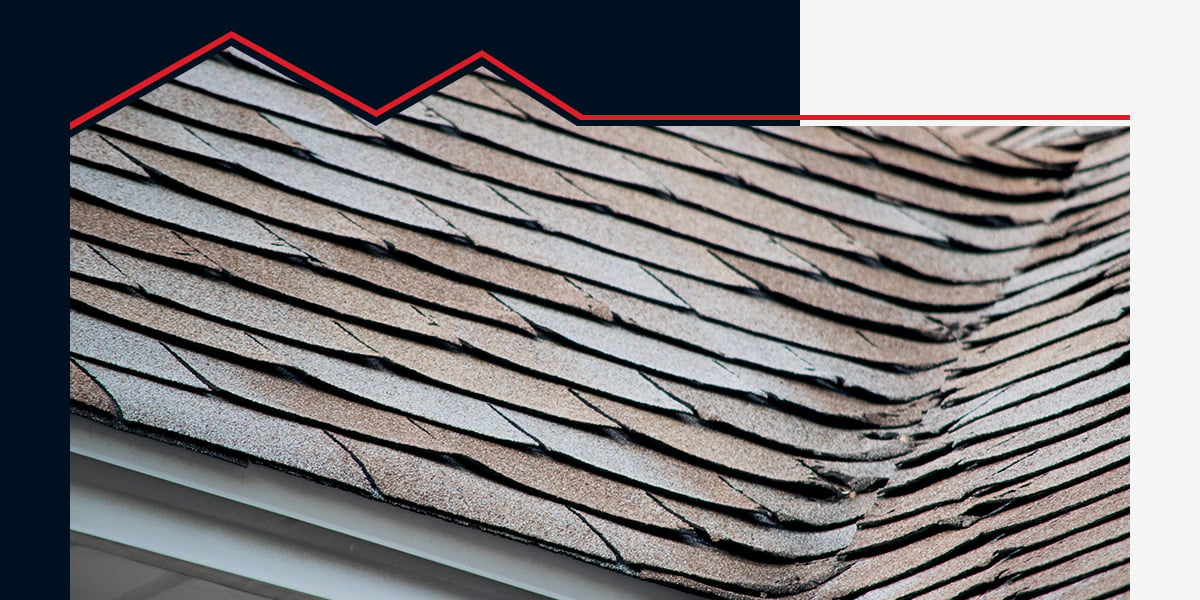
The primary roof covering is often the first component to fail during severe weather. Research following Hurricane Ian found that approximately 50% of asphalt shingle roofs experienced damage. It’s one of the many reasons why a secondary barrier is necessary for storm protection.
Protecting the Roof Deck From Ice Dams
Ice dams form when snow melts on your roof’s warmer upper sections, then refreezes at the colder eaves. This cycle creates an ice barrier that forces water back up under your shingles, pushing it into areas where standard underlayment may not provide adequate protection.
Specialized ice and water shield underlayment creates a waterproof seal in these vulnerable zones. The self-adhering membrane is installed along eaves, valleys and roof penetrations to prevent roof ice dams in cold climates. Continuous cycles of melting and freezing can cause extensive damage to ceilings, interior walls and the contents of your home if left untreated.
The right underlayment stops this damage before it starts.
Does Ice and Water Shield Protect Against Leaks?
Yes. Ice and water shield is specifically designed to protect against leaks in your roof’s most vulnerable areas. The self-adhering membrane creates a waterproof barrier that standard underlayment cannot match. When roofing nails penetrate the membrane during shingle installation, the material seals around each nail hole automatically, preventing water from following the nail shank down into your roof deck.
Ice and water shield is typically installed on eaves where ice dams form, in valleys where water concentrates, and around chimneys and other roof penetrations. These critical zones experience the highest leak risk during storms. Installing this enhanced protection in strategic locations provides waterproof armor exactly where your roof needs it most.
Choosing the Best Underlayment for High Wind and Storms
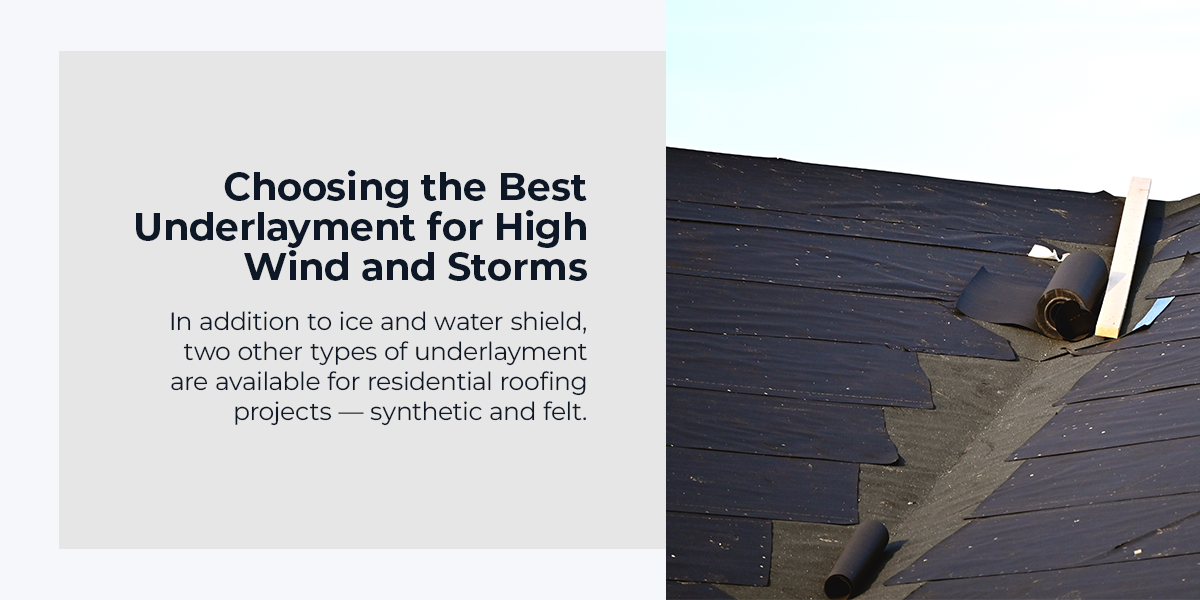
In addition to ice and water shield, two other types of underlayment are available for residential roofing projects — synthetic and felt. Choosing synthetic or felt underlayment will depend on the specific needs, storm risk exposure and long-term budget considerations of your home.
The right material choice now can mean the difference between minor damage and complete failure during the next major storm.
Synthetic vs. Felt Underlayment for Storm Protection
When comparing modern synthetic underlayment to traditional felt options, the performance differences become clear.
Synthetic underlayment characteristics include:
- Superior tear resistance: Engineered materials withstand high winds without ripping, even when exposed during installation or after shingle loss.
- Lightweight and durable: This type is easier to handle during installation and provides stronger, longer-lasting protection than traditional alternatives.
- Enhanced water resistance: Advanced materials resist moisture absorption, maintaining their protective properties even during extended exposure to wet conditions.
Felt underlayment characteristics include:
- Traditional affordability: Lower initial material costs make felt appealing for budget-conscious projects in low-risk climates.
- Moisture absorption concerns: Felt can absorb water over time, potentially degrading and reducing its effectiveness as a moisture barrier.
- Wind vulnerability: Paper-based felt materials tear more easily in high winds, especially when shingles are damaged or removed.
Synthetic underlayment typically offers superior tear resistance and durability, making it a strong performer in high winds and storm-prone regions. The enhanced protection justifies the investment for homeowners serious about storm readiness.
Creating a Truly Storm-Resistant Roof
A truly storm-resistant roof depends on all components working together as an integrated system. Your roof deck provides the structural foundation, and the underlayment creates the waterproof barrier. Flashing directs water away from vulnerable joints, while shingles serve as the primary weather shield. When one component fails, the others can continue to provide protection.
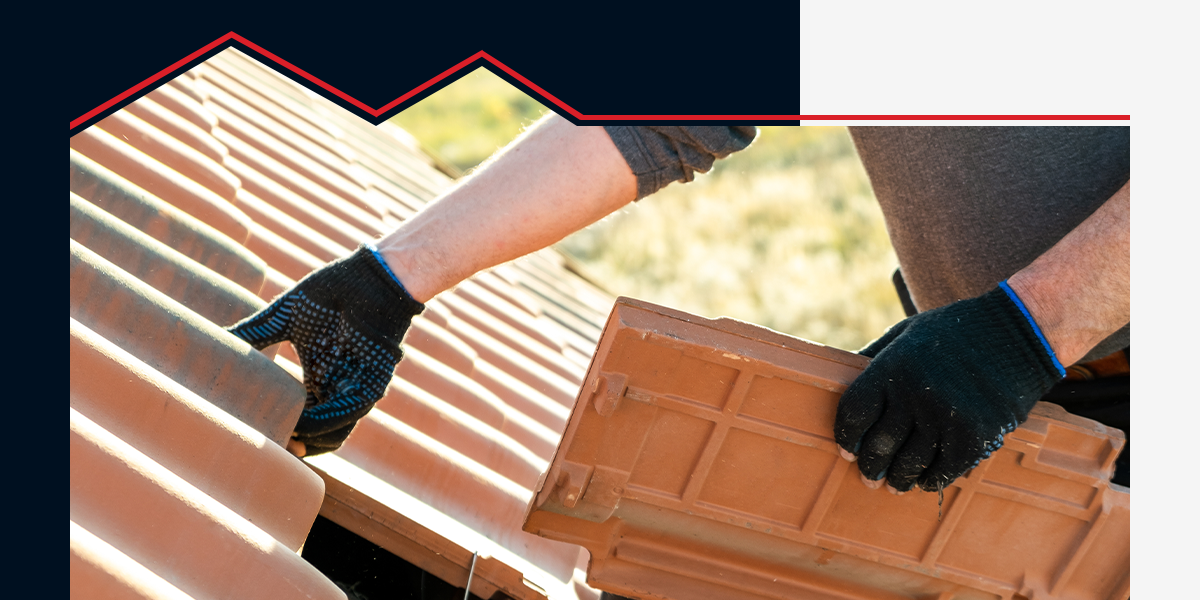
Professional installation of quality materials in every layer creates resilient protection that stands up to extreme weather, making your home’s roof more storm-resistant and safe.
Get a Clear Understanding of Your Roof’s Health
A professional roof assessment reveals vulnerabilities before the next storm strikes. Our team provides comprehensive inspections that thoroughly document your roof’s condition, including the underlayment and all protective components.
AmeriPro Roofing specializes in storm damage restoration. Our detailed reports and photos help you share accurate information with your insurance company, making the restoration process easier. Learn how we’ve built our reputation for trust, quality and integrity by scheduling your inspection to get a clear path forward.