
Roof damage can be sudden and obvious after a storm, or it can be a subtle issue that accumulates over time. Ignoring it introduces homeowners to the long-term effects of neglecting roof damage, where a small leak quietly multiplies in cost and complexity, and you suddenly need extensive repairs or a roof replacement.
This guide reveals the risks of ignoring minor roof damage. Considering the hidden structural costs of delaying repairs, neglect can void your insurance coverage and highlight warning signs that can help you prevent expensive restoration projects.
Financial Consequences of Delaying Roof Repairs
The financial fallout from procrastination can turn a preventable repair into an expensive overhaul that affects your insurance, resale value and overall budget.
The Insurance Negligence Loophole
Many homeowners mistakenly believe their insurance will cover any water damage. However, standard homeowners insurance policies cover “sudden and accidental” events. These policies almost universally contain exclusions for damage resulting from “wear and tear,” “gradual deterioration,” or homeowner “neglect.” If a roof has been leaking for months, it no longer qualifies as a sudden event.
The Denial Risk
When you file a claim, the insurance adjuster’s job is to investigate the cause of the loss. They are trained to identify the telltale signs of long-term water intrusion, such as deep-set wood rot, old water stains and widespread mold growth. If they determine the damage resulted from a lack of routine maintenance or waiting too long to report the damage, they have grounds to deny the claim.
You are then left responsible for the full cost of repairs, which will have grown substantially due to the delay.
Compound Repair Costs
A proactive repair might involve replacing a few shingles for a few hundred dollars. In contrast, delaying that repair allows the problem to compound. Now, the cost includes fixing the roof and replacing compromised roof decking, torn-out attic insulation and collapsed drywall, as well as repainting the interior. A simple fix balloons into a complex, multitrade restoration project costing thousands or even tens of thousands of dollars.
Resale Value Hit
Even if you eventually fix the damage, a history of water intrusion can haunt you when you decide to sell your home. A professional home inspector may identify past water damage, patched drywall or signs of old rot. These findings are major red flags for potential buyers and their lenders, potentially forcing you to reduce the asking price or risk losing the sale altogether.
The Invisible Dangers of Long-Term Roof Leak Damage to Attics and Drywall
Some of the most severe consequences of a roof leak are the ones that remain hidden from view. While a ceiling stain is an obvious red flag, the progressive damage occurring within your attic and walls poses a far greater threat to your home’s structural integrity and your finances.
Insulation Compression
Your attic insulation is crucial for maintaining your home’s energy efficiency. When it gets wet, it clumps together and becomes compressed. This process crushes the tiny air pockets within the insulation that trap heat. As noted by the U.S. Department of Energy, wet compressed insulation has lower thermal resistance and is subject to mold.
This loss of thermal resistance translates directly into higher monthly energy bills, as your heating, ventilation and air conditioning (HVAC) system works harder to maintain a comfortable temperature.
Decking Rot
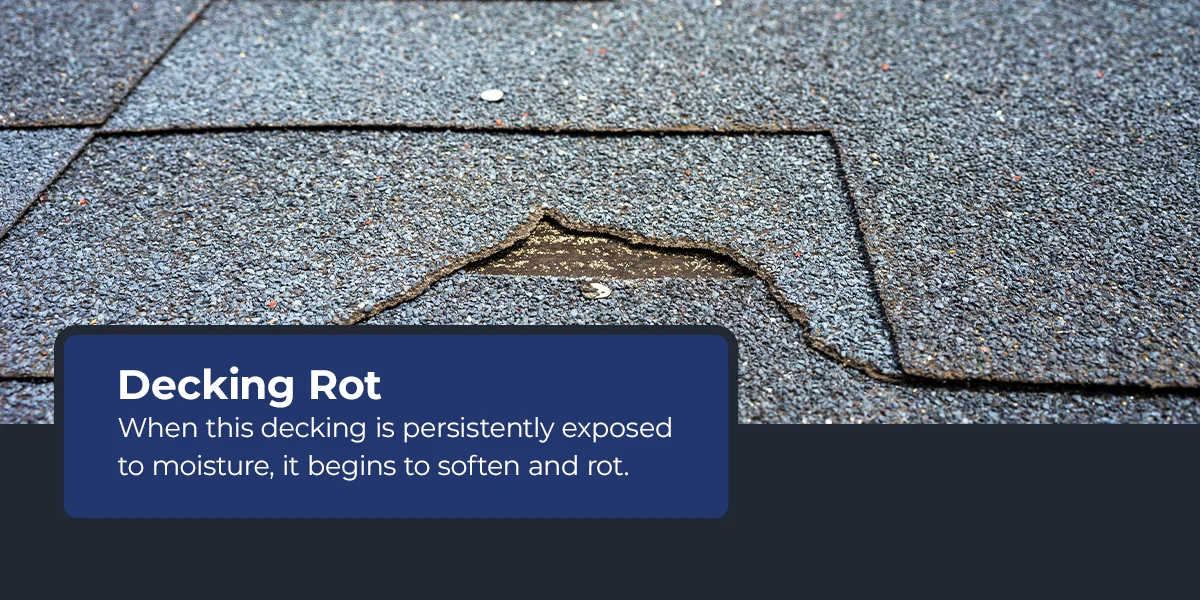
Beneath your shingles lies the roof deck, a layer of plywood or oriented strand board (OSB) that serves as the foundation of your entire roofing system. When this decking is persistently exposed to moisture, it begins to soften and rot. Moisture is an ideal vehicle for carrying fungal spores and bacteria, which can cause accelerated degradation.
This weakened decking can no longer safely support the weight of the shingles or any foot traffic.
Drywall Fatigue
Water is heavy. A single square foot of saturated drywall can weigh significantly more than its dry counterpart. As ceiling drywall absorbs water from a persistent leak, it may start as a brown or yellow stain or peeling wallpaper, but quickly becomes soft, bloated and begins to sag under the increased weight.
If you notice sagging or bloated drywall, it is a critical warning sign that a collapse is imminent.
What Happens if You Don’t Fix a Roof Leak Quickly?
When water breaches your roof, it rarely stays put. The initial point of entry is often just the beginning of a much larger, unseen problem.
Immediate Spread
Water defies gravity, often traveling sideways along roof decking, rafters and ceiling joists before it ever becomes visible inside. A leak that starts at the peak of your roof may soak insulation and wood for weeks, finally appearing as a damp patch on a wall 10 feet away. By the time you see the stain, the water has already carved a destructive path through your home’s vital components, saturating everything from structural beams to electrical wiring.
The 48-Hour Mold Clock
Once moisture enters your attic or wall cavities, a clock starts ticking immediately. According to the Environmental Protection Agency, mold and mildew can begin to grow within just 24 to 48 hours of water exposure. These fungal growths release spores into the air that can cause respiratory problems, allergies and other health issues for your family. The dark, damp and often undisturbed environment of an attic is the perfect breeding ground.
Pest Infiltration
A small, damaged opening in your roof is an open invitation to pests. Squirrels, raccoons, birds and insects are constantly searching for shelter from the elements. A cracked shingle or separated flashing provides the perfect entryway for them to infiltrate. Once inside, these unwelcome guests can tear up insulation for nesting, chew through electrical wires and leave behind unsanitary droppings.
Signs That Indicate You Need an Inspection
The following minor signs of wear are your roof’s way of signaling that its defenses are weakening and require immediate attention:
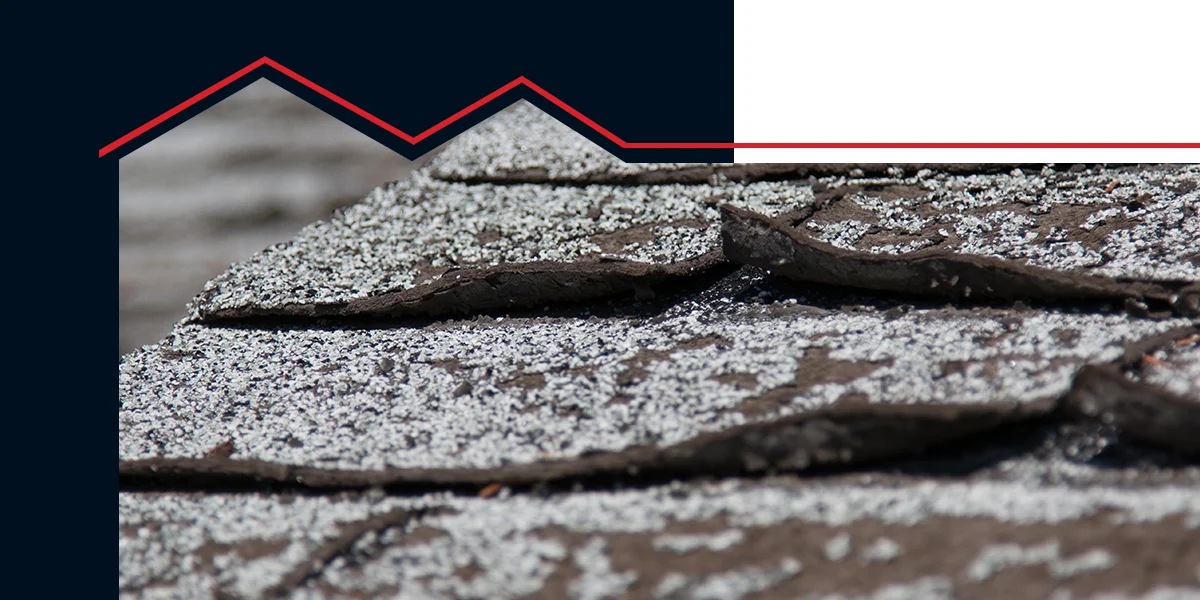
- Granule loss: As a roof ages, the granules on asphalt shingles begin to wear away. These exposed areas allow UV radiation to directly hit the underlying asphalt, causing it to become brittle and crack, leading to widespread failure and the need for a premature replacement.
- Flashing failure: Flashing — the thin metal strips installed around chimneys, vents and skylights — is designed to seal the seams of your roof from water intrusion. A small gap or crack in the flashing is a direct entry point for bulk water entry.
- Debris Dams: In any climate with trees, organic material like leaves, pine needles and twigs can accumulate in your roof’s valleys or against chimneys. This packed debris acts like a sponge, trapping moisture against the shingles for long periods. During heavy rain, this mass also forms a dam that blocks water’s natural path, forcing it to move sideways and seep under the roofing materials.
Stop the Damage Clock With a Professional Inspection
The long-term effects of neglecting roof damage are serious, so getting a regular roof inspection is essential. While a homeowner may spot a water stain, a professional roof inspection takes a forensic approach to identify existing leaks as well as any underlying conditions that will lead to future failures.
At AmeriPro Roofing, we assess the complete health of your roofing system to stop the clock on damage and prevent future disasters. From checking for granule loss and flashing integrity to evaluating attic ventilation and insulation, our goal is to give you a clear, comprehensive understanding of your roof’s condition. Stop damage in its tracks and schedule your complimentary, no-obligation roof inspection with AmeriPro Roofing.