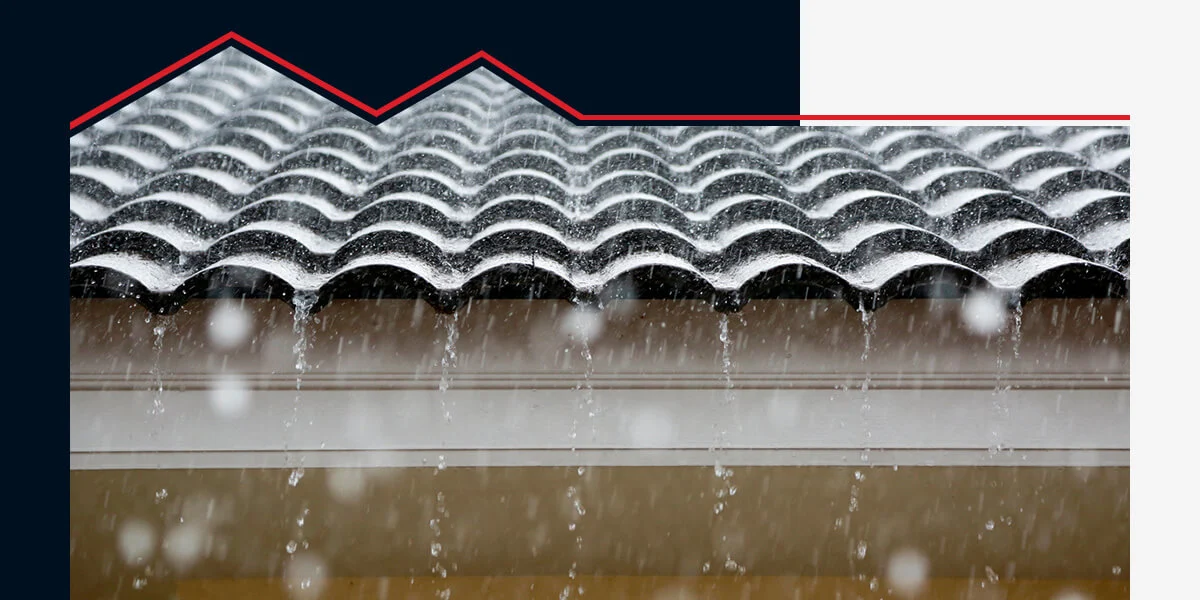
Severe weather events are becoming more frequent and intense across the country. Hurricanes, hailstorms, high winds, and heavy rain can wreak havoc on homes, and your roof is the first line of defense. When a roof fails during a storm, the consequences can be devastating — costly water damage, structural issues, and safety concerns for your family. Understanding what makes a roof storm-resistant is essential for homeowners in areas prone to extreme weather.
This guide to storm-resistant roofs will help you make informed decisions about protecting your home. You’ll learn exactly what materials, ratings, and key components create a truly storm-resistant roof, and discover which roofing materials perform best against wind, hail, and heavy rain. You’ll also get actionable maintenance and inspection tips to keep your roof performing at its best, plus guidance on when to repair versus replace. Let’s start by understanding what makes a roof storm-resistant.
What Makes a Roof Storm-Resistant
A storm-resistant roof isn’t just about the shingles or tiles you see from the street. It’s a complete system designed to withstand extreme weather conditions through carefully engineered materials, proper installation, and regular maintenance.
Key Ratings and Certifications
When evaluating storm-resistant roofing options, understanding industry ratings helps you compare materials objectively:
- Wind resistance ratings indicate how well a roof can handle high winds, typically ranging from 110 mph to 190 mph, depending on the material and installation method.
- Impact resistance uses the UL 2218 classification system, which rates materials from Class 1 to Class 4. Class 4 represents the highest level of impact resistance, capable of withstanding simulated 2-inch hailstones.
- Fire resistance ratings — Class A, B or C — indicate how well materials resist ignition and flame spread, with Class A offering the most protection.
These ratings aren’t just technical specifications — they directly affect your home’s ability to survive severe weather and may influence your insurance premiums in high-risk areas.
Critical Components of Storm Protection
A storm-resistant roof relies on multiple integrated components working together:
- Roof deck and sheathing provide the structural foundation that supports everything above it.
- Quality underlayment acts as a secondary water barrier, protecting against moisture intrusion if the outer layer is compromised.
- Proper fastening systems, including hurricane straps, appropriately spaced fasteners, and secure roofing materials create a continuous load path from the roof to the foundation.
- Flashing around chimneys, vents, and roof valleys prevents water infiltration at vulnerable transition points.
- Adequate ventilation helps regulate temperature and moisture levels, preventing premature deterioration from the inside out.
Best Roofing Materials for Storm Resistance
Different roofing materials offer varying levels of protection against specific weather threats. Understanding the best roofing options for high-wind and hail areas helps you choose the right option for your home’s location and budget.
Metal Roofing
Metal roofing systems feature interlocked panels that resist uplift forces during high winds. Most metal roofs can withstand wind speeds of 140 to 160 mph or higher when properly installed. The material’s inherent strength provides excellent impact resistance against hail and metal roofs typically last 40 to 70 years with minimal maintenance. They’re lightweight compared to tile options, reducing structural load while maintaining durability. Metal roofing performs exceptionally well in high-wind coastal areas and regions prone to hail damage.
Asphalt Shingles
Asphalt shingles remain popular due to their affordability and availability. Architectural shingles are significantly thicker than traditional 3-tab shingles, offering better wind resistance with ratings typically between 110 and 130 mph. Impact-resistant versions include reinforced backing materials that help them withstand hail damage. When properly installed with the correct number of fasteners and quality underlayment, asphalt shingles provide reliable protection for moderate storm zones. They’re the most budget-friendly option for homeowners seeking storm resistance without premium material costs.
Concrete and Clay Tiles
Tile roofing’s weight and density help it stay firmly in place during high winds, with resistance ratings between 125 and 150 mph. These materials are naturally fire-resistant and provide excellent insulation in hot climates. However, their weight requires a strong roof structure capable of supporting the additional load. Tiles work exceptionally well in areas facing combined threats of wind and fire risk, though they can be vulnerable to cracking under severe hail impacts.
Synthetic and Composite Materials
Modern synthetic roofing materials use engineered polymers to mimic the appearance of slate, wood or tile while delivering superior storm performance. These lightweight materials can achieve wind resistance ratings up to 190 mph while maintaining excellent impact resistance. They resist cracking, warping, and deterioration better than many traditional materials and require minimal maintenance. Though the up-front cost is higher than asphalt shingles, synthetic materials offer maximum protection and long-term value.
Storm-Specific Protection Strategies
Understanding how different weather events threaten your roof helps you appreciate why specific design and installation choices matter.
Wind Resistance and Uplift Prevention
Wind doesn’t just push against your roof — it creates uplift forces that try to peel materials away from the structure. Protection strategies include:
- Proper fastening: Using six fasteners per shingle instead of four in high-wind zones significantly increases resistance, with wind-rated shingles meaning for homeowners that materials meet specific performance standards when installed correctly.
- Hurricane straps and metal clips: Create a continuous load path connecting the roof framing directly to the wall structure.
- Roof shape advantage: Hip roofs, which slope on all four sides, generally outperform gable roofs in high-wind conditions because they don’t present large flat surfaces to wind forces.
Hail Damage and Impact Protection

Class 4 impact-rated materials are the gold standard for hail protection, withstanding simulated 2-inch hailstones. The substrate’s firmness also matters, as materials on solid sheathing perform best. After hailstorms, check for cracks, dents, granule loss and hidden damage. A professional assessment is recommended.
Heavy Rain and Water Intrusion Defense
Multiple layers of protection guard against water infiltration:
- Sealed roof deck: This prevents water from penetrating if the outer materials are compromised.
- Quality underlayment: Ice and water shield underlayment at eaves and valleys provides critical protection in areas where water tends to accumulate.
- Proper flashing: Flashing creates watertight seals at chimneys, vent pipes, and anywhere the roof plane changes direction.
- Drainage systems: Functional gutter systems and adequate drainage prevent water from pooling on the roof surface or backing up under materials.
Installation Best Practices for Maximum Protection
Even the most advanced storm-resistant materials will fail if not installed correctly.
The Importance of Professional Installation
Professional installation isn’t just recommended — it’s essential for achieving rated performance:
- Expertise matters: Certified installers understand manufacturer specifications and local building code requirements.
- Adaptation to conditions: They know how installation techniques must adapt to your specific wind zone and exposure conditions.
- Warranty protection: Improper installation voids material warranties and eliminates the protection you paid for.
- Quality determines performance: The difference between a roof that survives a storm and one that fails often comes down to installation quality rather than material choice.
Critical Installation Elements
Proper installation requires attention to multiple critical components:
- Hurricane-rated fasteners with proper spacing create the foundation for wind resistance
- Sealed roof deck with quality underlayment provides a secondary defense layer
- Flashing installation must be executed with careful attention to detail at every vulnerable transition point
- Roof-to-wall connections require metal connectors that create a continuous load path capable of resisting uplift forces
- Post-installation inspection verifies that every component meets specifications
Maintenance and Inspection for Long-Term Performance
Storm resistance doesn’t end when installation is complete. Regular maintenance preserves your roof’s protective capabilities.
Pre- and Post-Storm Inspections
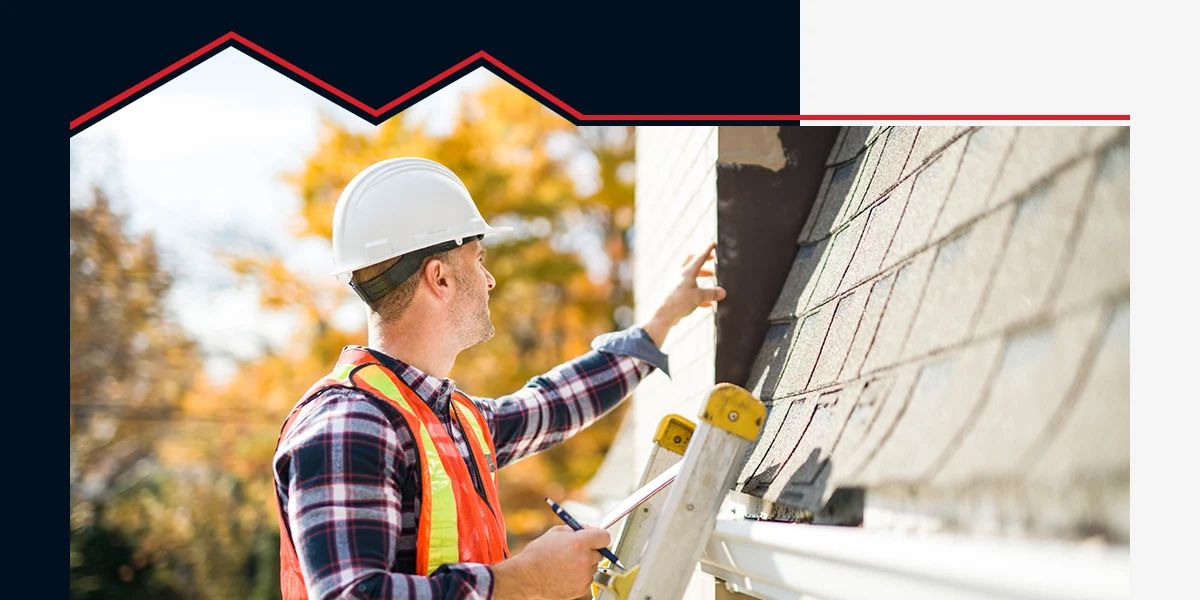
Schedule professional inspections before storm season, typically in spring or early summer. After major weather events, assess your roof for damage even if no leaks are apparent.
Look for:
- Missing, loose, or damaged materials.
- Compromised flashing.
- Signs of water intrusion.
- Subtle issues that will worsen over time if not addressed.
Professional inspectors can identify damage that isn’t immediately obvious to homeowners.
Regular Maintenance Tasks
Consistent maintenance keeps your storm-resistant roof performing at its best:
- Clear debris from your roof and gutters at least twice yearly, more often if you have overhanging trees.
- Trim branches that could fall on your roof during storms.
- Check gutters and downspouts to ensure they’re securely attached and draining properly.
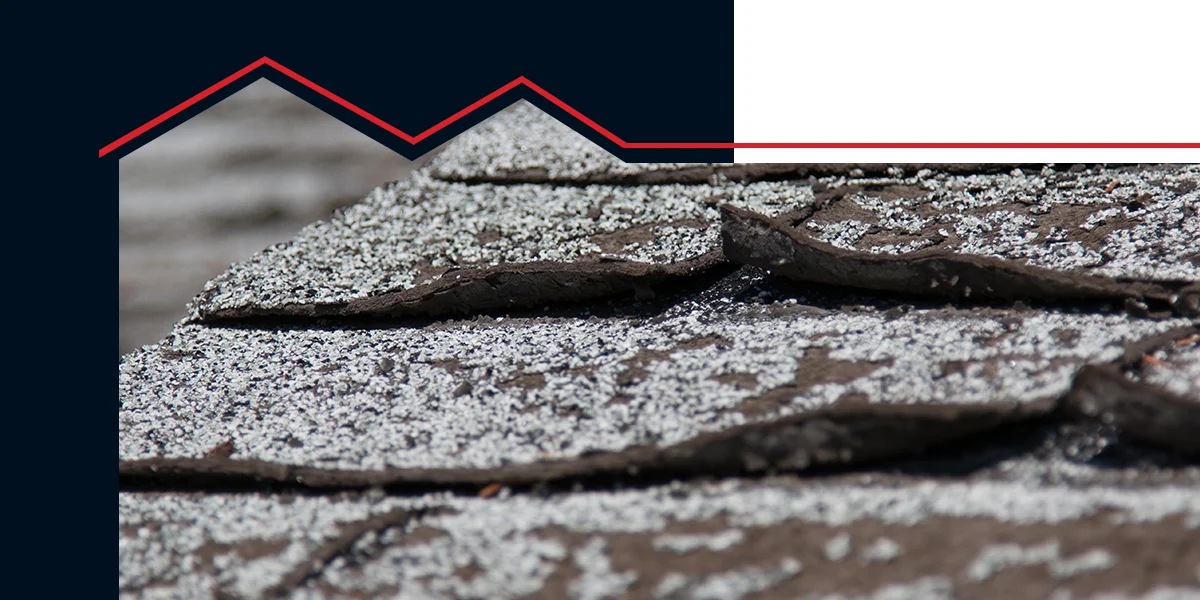
- Watch for signs of wear, including granule loss on asphalt shingles, curling, cracking or discoloration.
- Address small issues promptly to prevent them from becoming major problems during the next storm.
When to Repair vs. Replace Your Roof
Knowing when your roof needs repair versus replacement helps you make cost-effective decisions.
Signs Your Roof Needs Attention
Consider your roof’s age — most asphalt shingle roofs last 15 to 25 years, depending on quality and conditions. Widespread damage across large areas typically indicates replacement needs, while isolated damage may be repairable. Multiple leaks or recurring problems despite repairs suggest systemic issues. Extensive granule loss, widespread curling, or visible sagging indicate your roof has reached the end of its service life.
Making the Decision
Repair makes sense for minor damage, isolated problem areas and roofs that are relatively new. Replacement becomes necessary when damage is widespread, the roof is aging or you’re experiencing recurring issues. Professional inspections provide objective assessments backed by documentation and photos. This documentation also supports insurance claims when storm damage occurs, helping you navigate the restoration process with accurate information about your roof’s condition.
Protect Your Home With a Professional Assessment From AmeriPro Roofing
Protecting your home from storm damage starts with understanding your roof’s current condition. Whether you’re evaluating storm-resistant materials for a future upgrade or want to assess your existing roof’s performance, a professional inspection provides the clarity you need.
We offer complimentary inspections for storm and hail damage to help you understand your roof’s strengths and vulnerabilities. With over 20 years of experience in residential storm restoration, the experienced professionals at AmeriPro Roofing can document damage thoroughly and provide detailed estimates that help you share accurate information with your insurance company, making the restoration process easier for you. Schedule a free inspection or call (888) 301-8151 now to get started.