When you’re planning a roof replacement, you might wonder if you have to replace your gutters at the same time. The short answer? Every situation is different. Ultimately, it depends on your gutters. If your gutters are cracked, rusted or sagging, or if your new roof design changes how water flows off your home, replacing them during your replacement roof project can save time and prevent future issues.
In this guide, we’ll walk through whether you should replace gutters when replacing a roof, when you can keep existing gutters in place and what questions you should ask your contractor before making your final decision.
Do Gutters Need to Be Replaced With a New Roof?
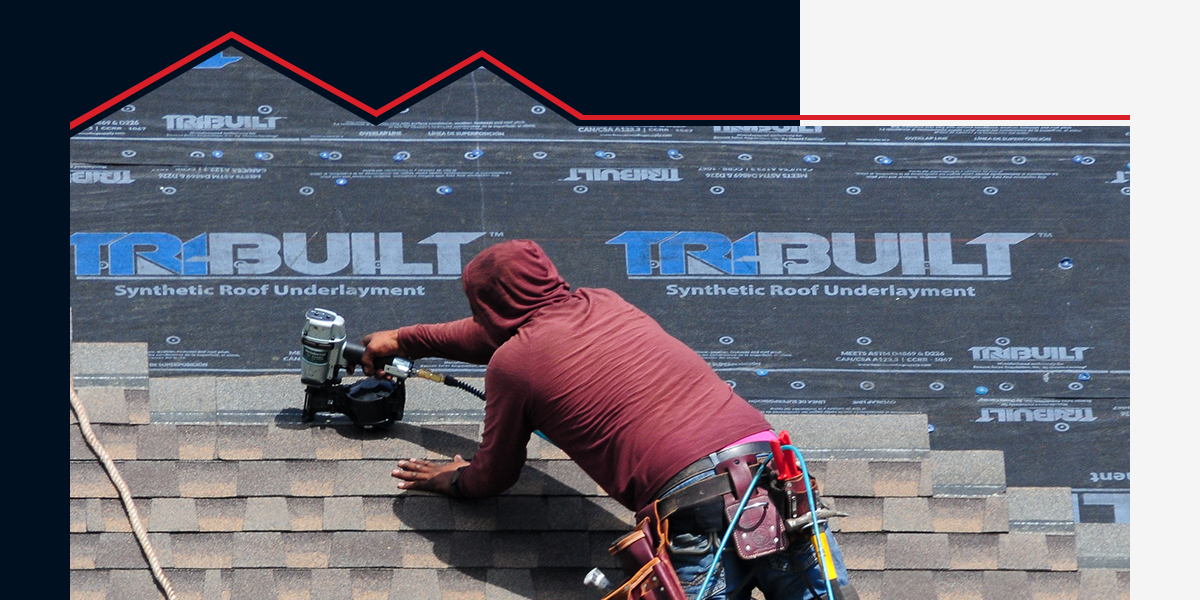
Not always. It’s possible to install a new roof without replacing the gutters, depending on their condition. In many cases, teams trained in gutter protection techniques can work around the existing gutters by carefully detaching and reattaching specific sections.
Gutters may need to be temporarily removed to:
- Avoid dents, scatches or marks on your gutters and/or property
- Replace or inspect fascia boards
- Improve water runoff
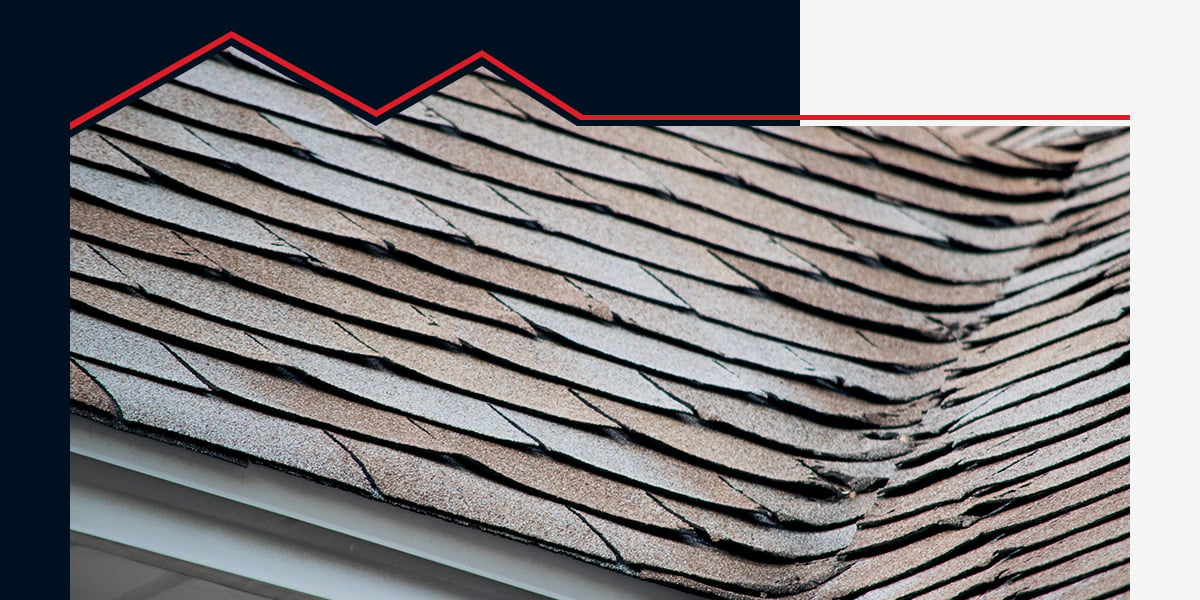
- Ensure proper shingle overhang
If your gutters are structurally sound, leak-free and effectively drain water, your roofers may choose to leave them up. When gutters are kept in place during reroofing, contractors will use covers to prevent falling debris, position ladders carefully to avoid bending and clean the gutters once installation is complete, preventing blockages.
Why Roof Replacement and Gutter Compatibility Matter
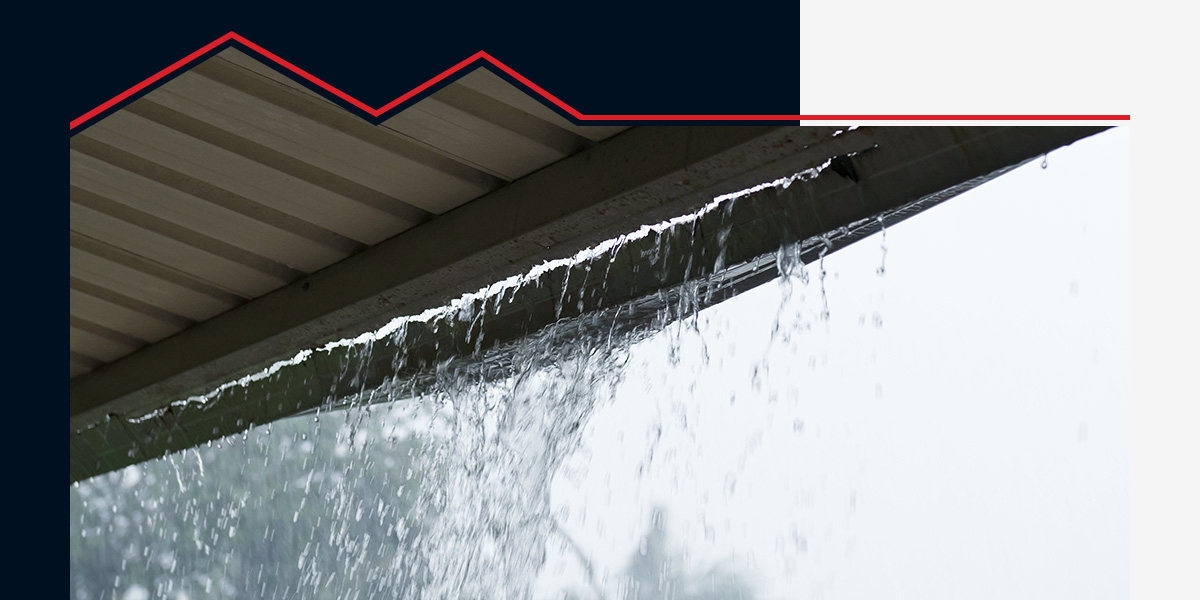
Your roof and gutters function as one water-management system. When the rain pours, it flows down the shingles, over the drip edge and into your gutters. An incorrect gutter slope, an improperly installed drip edge or insufficient shingle overhang can cause water to overshoot the gutter, back up behind the fascia and lead to rot or pooling around your home’s foundation.
A properly functioning gutter system features a slight downward slope toward the downspouts, drip edges that direct water into the gutter and shingles that extend slightly past the roof edge to guide runoff. This helps safeguard your home against water damage.
Contractors will evaluate the compatibility of your gutters and roofing before work begins, ensuring that they are appropriately sized for the new roof’s water runoff capacity. Full gutter replacements are recommended if your current gutters aren’t suited to your new roof.
Warning Signs Your Gutters Need Replacing
A common sign that your gutters need replacing is sagging sections that pull away from the roof. This is often due to weakened fasteners or compromised fascia boards, suggesting your gutters may not be directing water properly.
Visible signs of wear, such as rust, holes and cracks, also point to the need for a gutter replacement. Another common sign of faulty guttering is frequent clogging despite regular cleaning. This can indicate underlying slope issues or insufficient gutter guards.
Left unaddressed, water intrusion caused by faulty gutters can lead to increased indoor moisture and interior damage. This can lead to mold and mildew growth, causing issues such as stained ceilings, peeling paint or compromised drywall. These issues are often more costly to resolve than a simple gutter replacement.
If you notice any of these warning signs, arranging a professional evaluation can prevent more extensive structural damage.
When You Can Keep Existing Gutters During Roof Replacement
Instances where gutters are commonly kept in place are when they are:
- Less than 10-15 years old
- Made of high-grade materials, such as corrosion-resistant alloys
- Securely fastened
- Free of holes, cracks or rust
If your gutters pass inspection and align with the new drip edge, there’s no automatic requirement to replace them.
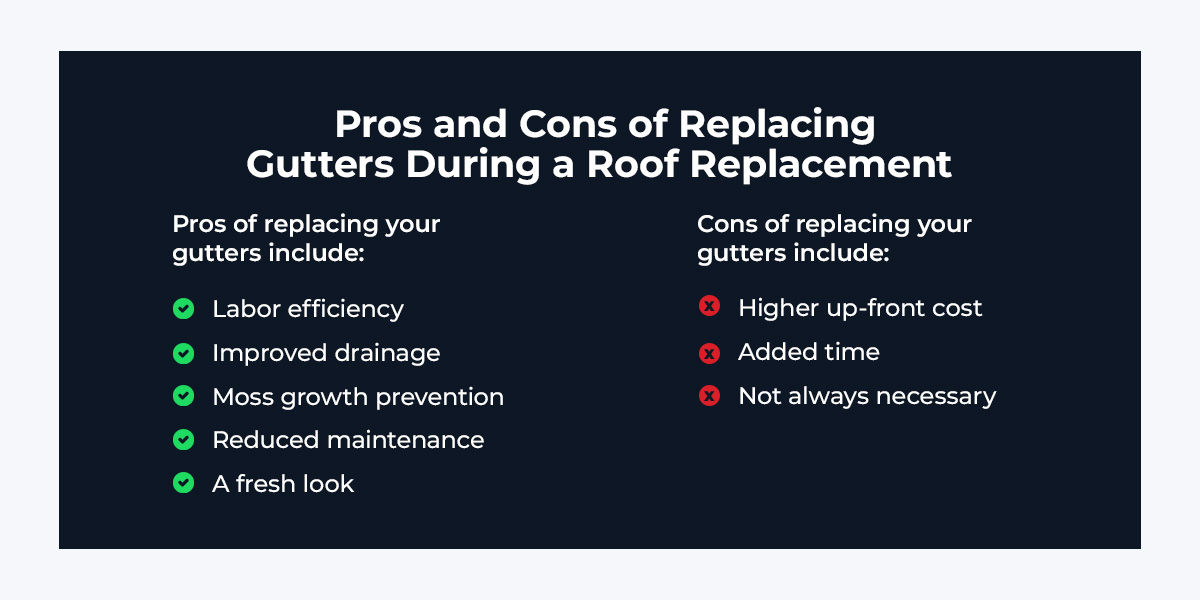
Pros and Cons of Replacing Gutters During a Roof Replacement
Whether gutters need to be replaced with a new roof ultimately depends on your individual situation. Weighing the pros and cons can help you assess which course of action is best suited to your home.
Some benefits of replacing your gutters include:
- Labor efficiency: Installing new gutters during a roof removal lets you avoid unnecessary future labor costs.
- Improved drainage: New gutters may perform more effectively, helping prevent water damage to your home.
- Moss growth prevention: Better water drainage means less likelihood of moss growing on your roof. Having less moss means less roof decay, helping to extend its lifespan.
- Reduced maintenance: Newer gutters require less upkeep, reducing the need for routine repairs over time.
- A fresh look: Having a new roof and new gutters installed together ensures your home has a cohesive look.
There are also a few things to consider before opting for gutter replacement:
- Higher up-front cost: Having your gutters and roof replaced at the same time will cost a slightly higher fee than a single roof replacement, though fewer future repairs often offset this.
- Added time: Replacing your gutters adds an extra step to the reroofing process, extending project length.
- Not always necessary: There’s little reason to replace your gutters if they’re in good condition.
The decision often comes down to condition and long-term planning rather than strict necessity. In many cases, getting your gutters replaced at the same time as your roof can be more cost-effective, especially if your gutters are aging or showing signs of failure.
Questions to Ask Your Contractor
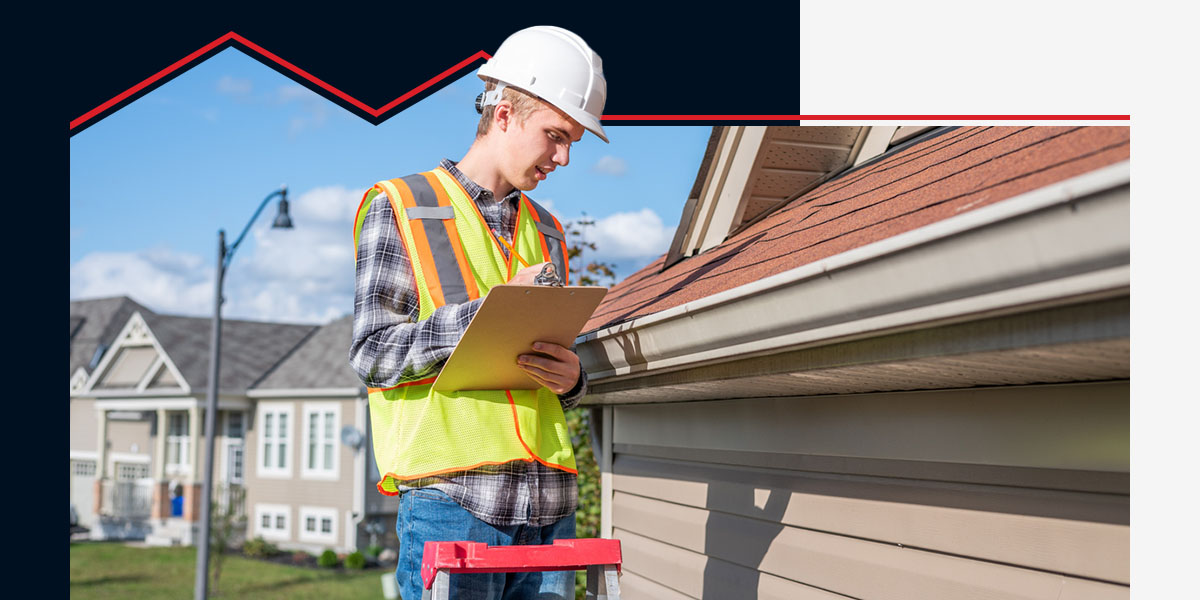
A certified and reputable contractor can help you decide whether you need to replace your gutters during a roof replacement. Asking the right questions about roof replacement and gutter compatibility before you commit ensures you make the most appropriate choice.
Questions to ask include:
- Are my existing gutters properly sized for the new roof?
- Do you recommend temporary removal and reinstallation?
- Are my gutters good quality?
- Are there any hidden signs of water damage on my property?
- Is the fascia in good condition?
- Can I keep existing gutters with a roof replacement, or should I replace them?
A trustworthy contractor will explain their reasoning clearly. In cases where they recommend a gutter change, they’ll present photographic evidence of any existing issues, such as sagging or damage, and explain the long-term implications.