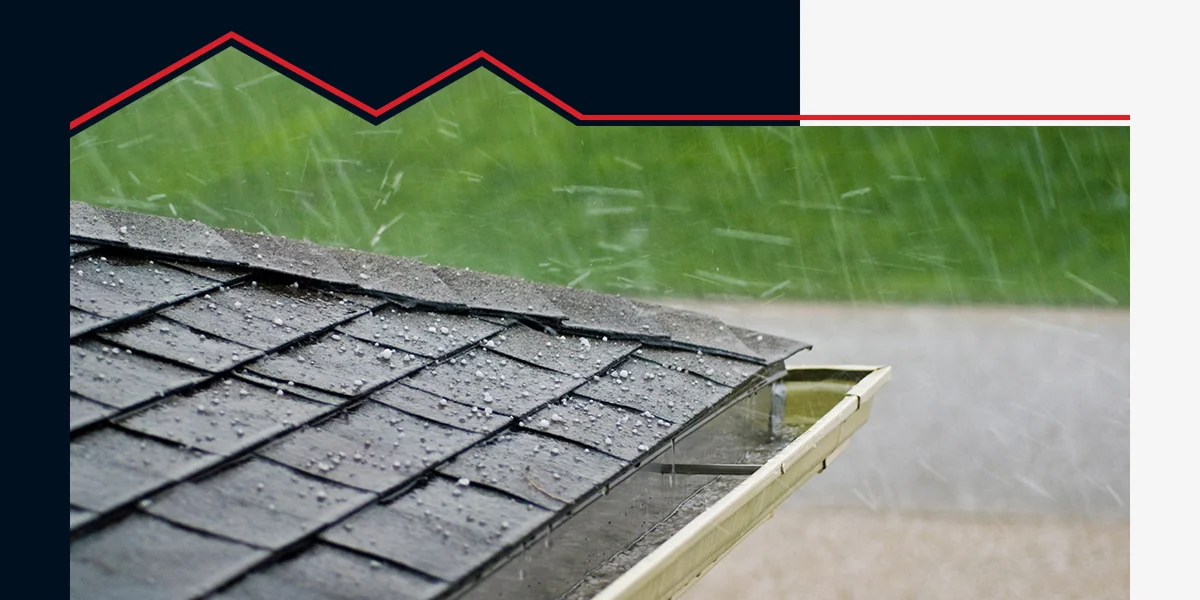
Intense storms with higher winds, heavier rainfall and larger hail pose distinct challenges for homeowners. These severe meteorological events can cause extensive damage and require significant repairs and even replacements to critical exterior components. Recognizing these challenges can help you proactively prepare for extreme weather events, secure your property, and support long-term roofing durability.
Does Climate Change Increase Storms?
Meteorological observations documented by the National Oceanic and Atmospheric Administration (NOAA) show warmer ocean temperatures, supplying more energy and moisture to storms, influencing their intensity. These conditions increase rainfall and wind speeds in some storm types. Scientific analyses of atmospheric conditions and historical data also suggest shifts in the distribution and occurrence of various severe weather events, rather than a uniform global increase in frequency across all storm categories.
How Severe Weather Can Damage Your Roof
Whether you’ve experienced a storm like Hurricane Imelda or seen the impact of hurricanes like Katrina, Florence or Harvey, it’s obvious that homeowners need to be prepared for extreme weather. Understanding the connection between climate change and roofing, siding and gutters is essential, especially if your home is older. This way, you can protect your residential property and maintain your investment through informed decisions.
There are several ways severe storms can impact your roof, but the most significant damage is caused by:
High Winds and Uplift
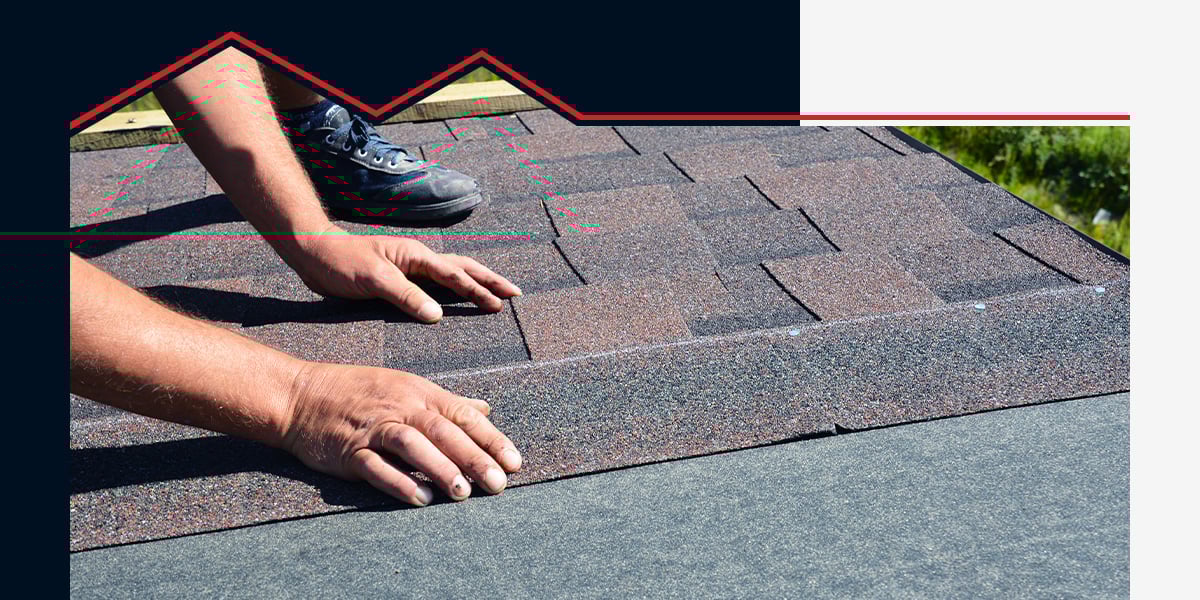
Sustained high winds exert immense pressure on a roof’s surface. Powerful gusts of wind can force their way under the edges of shingles and along the roofline, creating an uplift effect that peels roofing materials away from the structure. When this occurs, shingles can become loosened, torn off entirely or even detached in larger sections, leaving the protective underlayment and the roof deck vulnerable to subsequent weather and water exposure.
Intense Rainfall and Water Intrusion
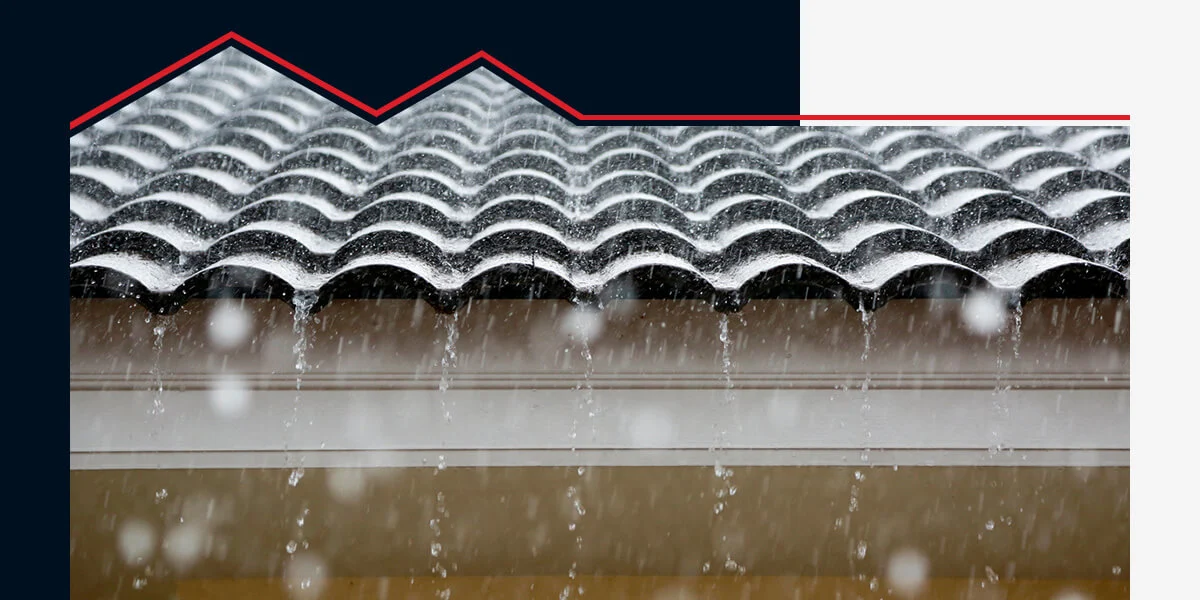
Heavy, wind-driven rainfall differs significantly from a gentle shower. The sheer volume and force of the water, propelled by strong winds, can penetrate all parts of the roof. It is particularly problematic around critical junctions such as flashing — the metal seals around chimneys, vents and skylights — or where shingles are aging and no longer lie perfectly flat. Water can be driven horizontally or upward into these small openings, leading to leaks, attic damage and potential interior water intrusion.
Larger Hail and Impact Damage
Hailstones, especially those of significant size, act as projectiles upon impact with a roof. Their direct force can cause substantial physical damage to various roofing materials. This impact can cause visible dents, cracks in individual shingles or punctures through the roofing membrane. Such damage compromises the material’s structural integrity and its ability to shed water effectively, significantly shortening the protective lifespan of the entire roof system.
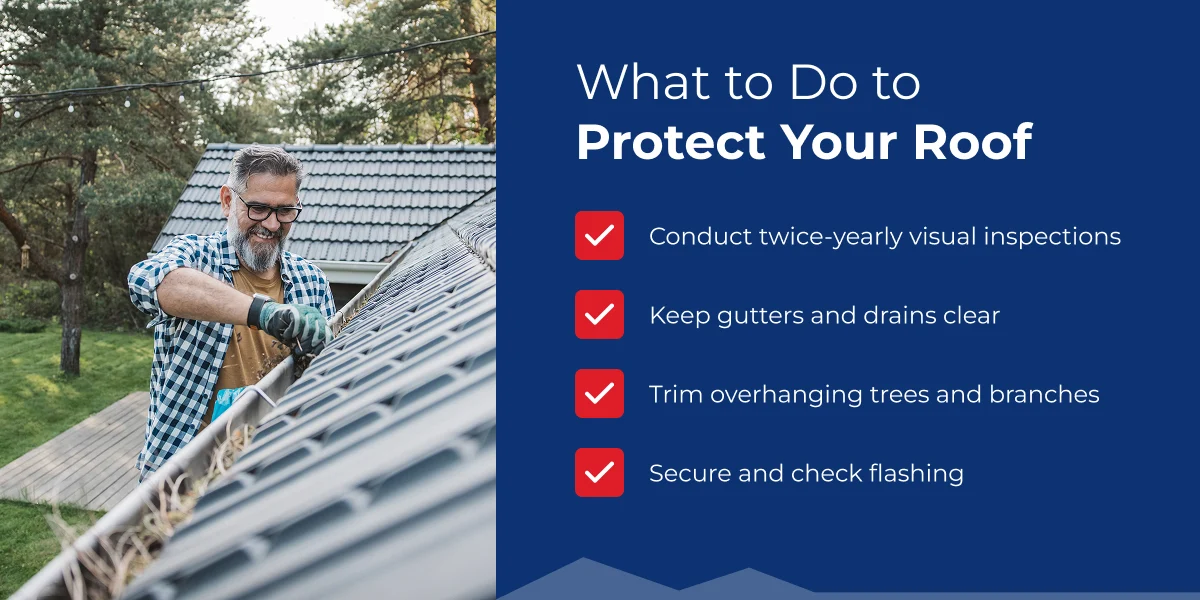
What to Do to Protect Your Roof
Here’s a simple guide to protecting your roof from climate change.
- Conduct twice-yearly visual inspections: Take the time to inspect your roof safely from the ground at least twice a year, ideally in the spring and fall. Look for any obvious signs of wear or potential damage, such as shingles that appear curled, cracked or are entirely missing. Identifying these issues early can prevent them from escalating into more serious problems during a storm.
- Keep gutters and drains clear: Clogged gutters and downspouts are a common cause of roof damage. When debris accumulates, water cannot drain properly and can back up under the roofline. This leads to water pooling on the roof and potentially seeping into the roof deck and fascia, causing rot, leaks and costly structural issues over time. Regular cleaning is essential.
- Trim overhanging trees and branches: Trees with branches extending over your roof are a risk, especially during high winds or ice storms. Strong winds can cause branches to scrape and abrade roofing materials, while ice accumulation can make them heavy and brittle, leading to breakage. Proactively trimming overhanging branches is an important preventive measure against severe impact damage to your roof.
- Secure and check flashing: Flashing, the metal strips installed around chimneys, vents, skylights and in roof valleys, is critical for sealing vulnerable areas against water intrusion as these areas are common failure points. Regularly check flashing for any signs of loosening, lifting, rust or deterioration.
What to Do Immediately After a Major Storm
If your home has already been affected by a storm, addressing the damage now can reduce long-term repair or replacement costs. Prioritizing safety and proper documentation can streamline any necessary repair processes.
1. Safely Document Any Obvious Damage
Once the storm has passed and it’s safe to venture outside, begin documenting any visible damage to your home’s exterior immediately. Using a camera or smartphone, take clear photos of your roof, siding and gutters from the ground. Capture multiple angles and close-ups of any visible issues before any temporary repairs are made. It’s essential for safety to avoid climbing onto a potentially unstable or damaged roof.
2. Look for Hidden Signs of a Problem
Storm damage isn’t always immediately apparent. Even if your roof appears intact from a distance, look for subtle indicators of potential issues. Check gutters for an unusual accumulation of shingle granules, which suggests impact damage. Inside your home, inspect ceilings and walls for new water spots, stains or dampness. Examine exterior vents and flashing for dents or creases that might indicate hail or wind impact.
3. Call a Professional for an Inspection
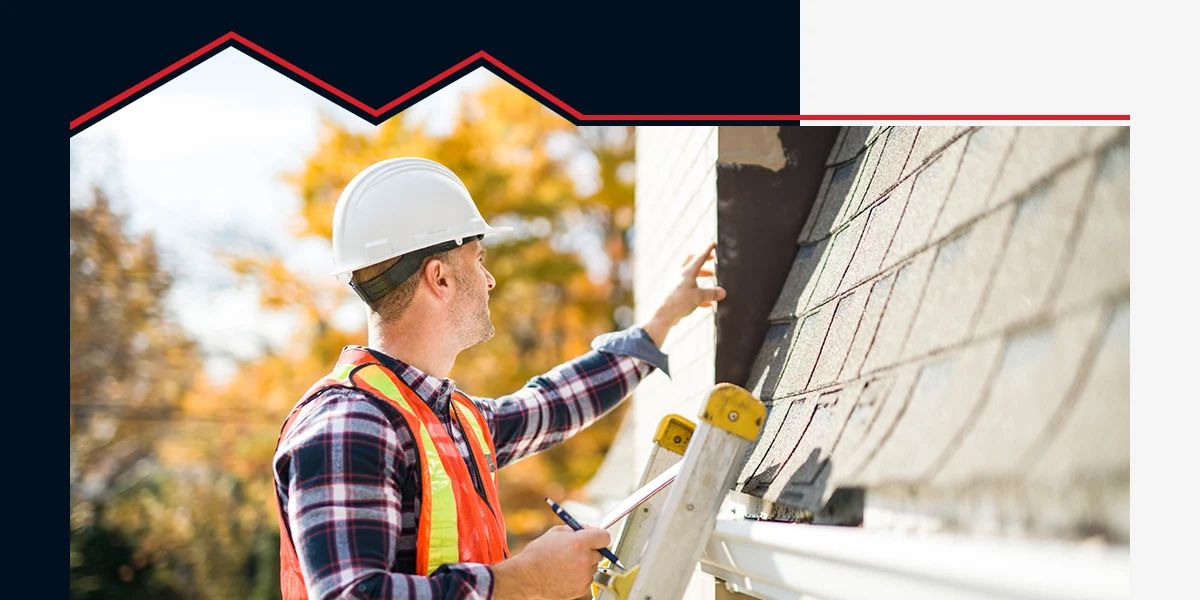
Much of the damage caused by severe weather can be underlying or not fully understood by an untrained eye. A professional roofing contractor possesses the expertise and necessary safety equipment to conduct a thorough and detailed inspection of your entire roofing system. They can identify subtle structural compromises, underlying leaks or compromised materials that, if left unaddressed, could lead to far more extensive and costly problems in the future. Their assessment is invaluable for ensuring your home’s long-term protection.
Schedule Your Roof Assessment With AmeriPro
Discussions about how climate change affects storm strength and storm frequency are ongoing. We cannot control the weather, but we can control how we prepare for its challenges. Start with a thorough evaluation of your home’s exterior to help maintain its integrity and value.
AmeriPro Roofing specializes in identifying and repairing all types of roof damage before and after a storm. Our team provides detailed, complimentary inspections at several locations across the country to thoroughly assess your roof. Our residential services include roof repair, replacement, siding and gutters. We meticulously document storm damage to support your communication with your insurance company and provide clear estimates for the necessary repairs and restoration.
To protect your investment and gain peace of mind, schedule a complimentary storm-damage assessment with the AmeriPro team today.