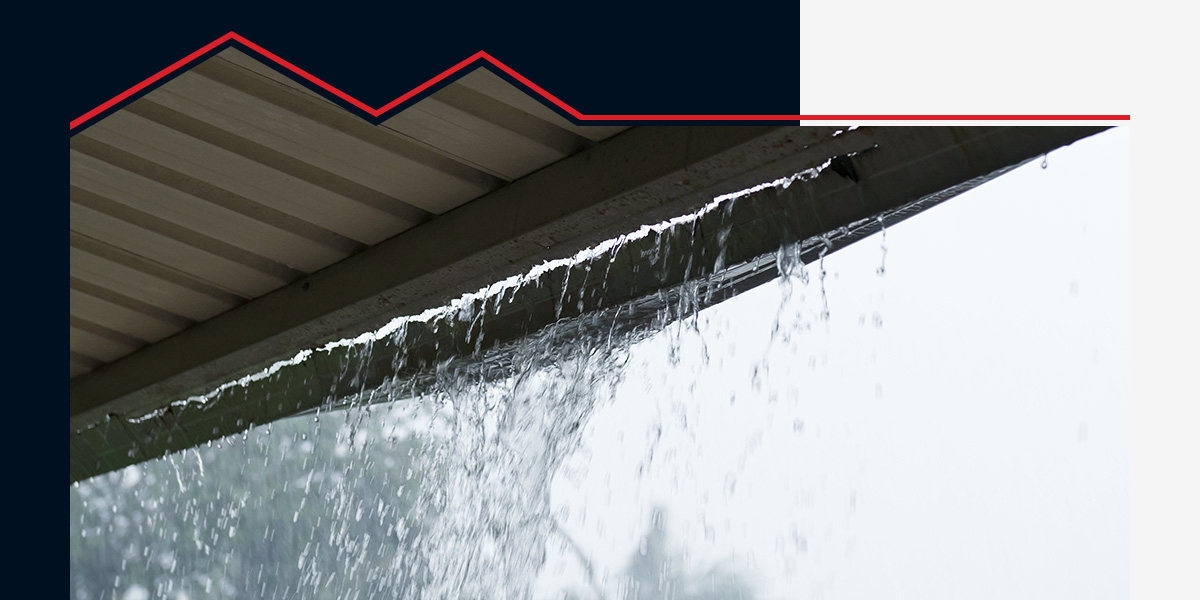
Thunderstorms, straight-line winds, hail and tornadoes can all damage your roof. These types of storms, also known as convective storms, were the most commonly occurring natural catastrophe in the United States in 2024. Most homeowners insurance policies offer coverage for wind and hail damage, but following the right procedures and understanding your coverage are crucial to filing a successful claim.
Whether your roof has been damaged by severe weather or you want to prepare for future storms, it’s important to know how to file a roof damage claim after a storm. These roof damage insurance claim tips will help you understand and navigate the claims process.
1. Documenting Your Roof Damage
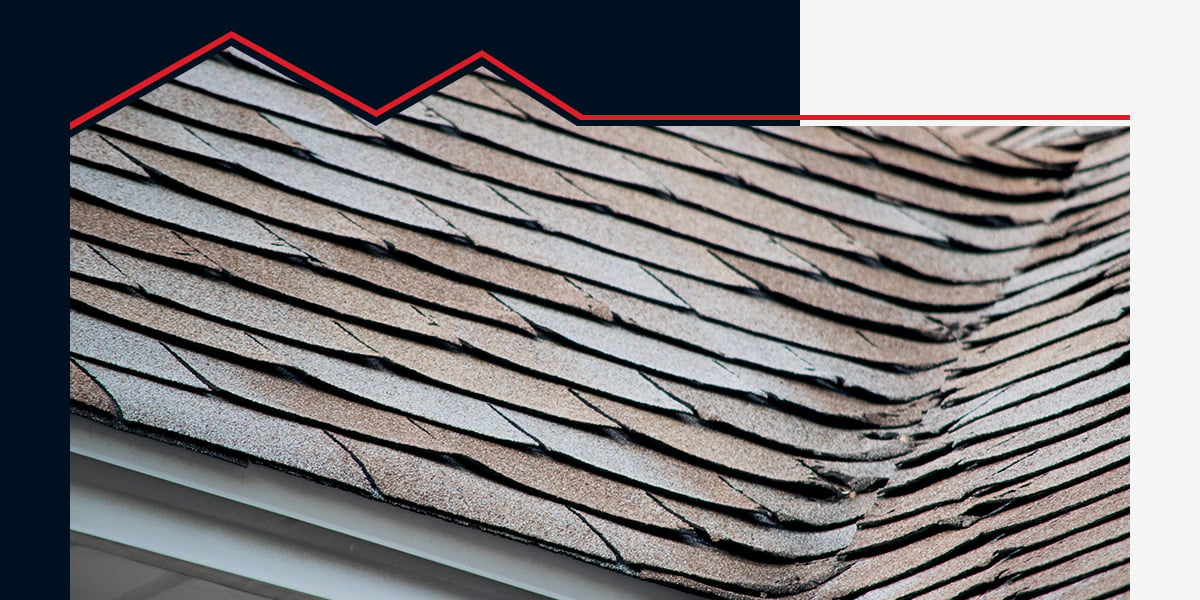
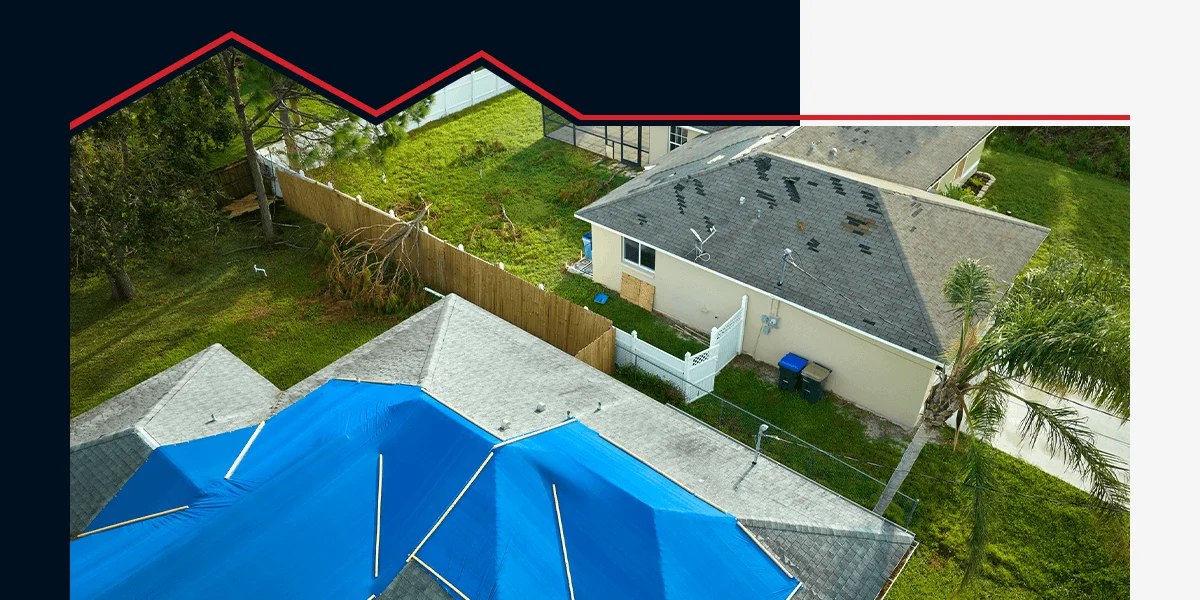
The first step in the roof damage insurance claim process is documenting the visible damage. Once you’re certain the area around your home is free from hazards like downed power lines, examine your roof and interior for common storm-related issues. Exterior damage might include missing shingles, flashing damage, dented gutters or debris like tree branches. Interior damage can take the form of moisture buildup in the attic or water leaks in other parts of the house.
Take high-resolution pictures or videos of the damage and write detailed notes. It’s also a good idea to gather any records of prior repairs or maintenance to show that your roof was well-maintained prior to the storm damage, including any steps you took to prepare for inclement weather.
If you have photos of your property before, include those as well to help show the extent of the damage. For storms that caused widespread damage to your neighborhood, you could also include more general photos of the surrounding properties to demonstrate how severe the weather was.
Many insurance companies will also require you to take temporary measures to prevent further damage, like securing the affected areas of your roof with a heavy-duty tarp. This process could involve climbing onto the roof, which could be structurally unsound or slick from rain, so it may be best to hire professional help.
2. Contacting the Insurance Company
Once you have an idea of the extent of the damage, reach out to your insurance company right away. Delays in reporting damage may lead to your claim being denied. Review the details of your homeowners policy before talking to your agent so you can clearly discuss your coverage.
These key terms will help you understand the roof damage coverage in your insurance policy:
- Deductible: This is the amount of money you’ll have to pay out of pocket before the insurance company pays its part. In some states, you may also have a separate deductible for wind and hail damage.
- Actual cash value: This type of coverage pays the depreciated value of your roof — in other words, your roof’s value at the time of the claim. It does not cover the full cost of a roof replacement.
- Replacement cost value: If your policy offers this coverage, it includes the cost of replacing the roof with a new one made from the same materials. However, you will have to pay the cost difference if you decide to upgrade your roofing materials during the replacement process, such as using architectural shingles instead of three-tab shingles.
You will also want to check for any exclusions for types of damage or roofing materials and see if there is a time limit for filing claims.
Once you’ve reported the damage, your agent will fill you in on the next steps. Some insurance companies may offer a list of preferred roofing contractors, but as the homeowner, you can choose who you want to hire for your repairs. Keep a log of your conversations with your insurance company so you have a record of everything you’ve discussed.
3. Getting a Professional Inspection
To help increase your chances of a successful claim, call a reputable roofer to fully assess the damage. Look for an established, licensed and insured roofing company that can provide references.
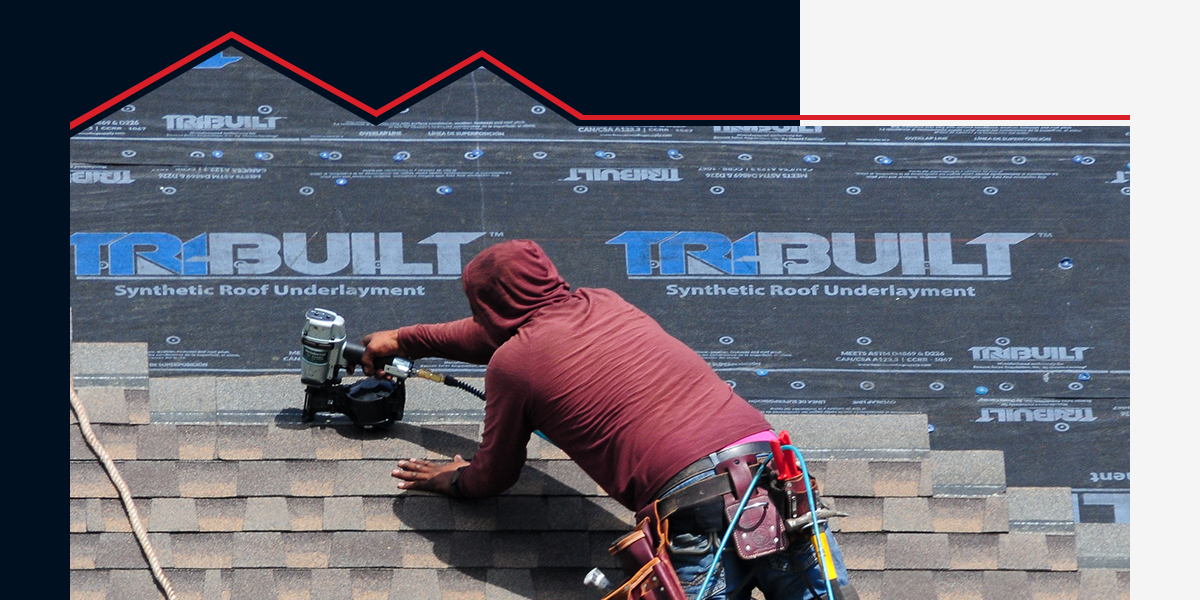
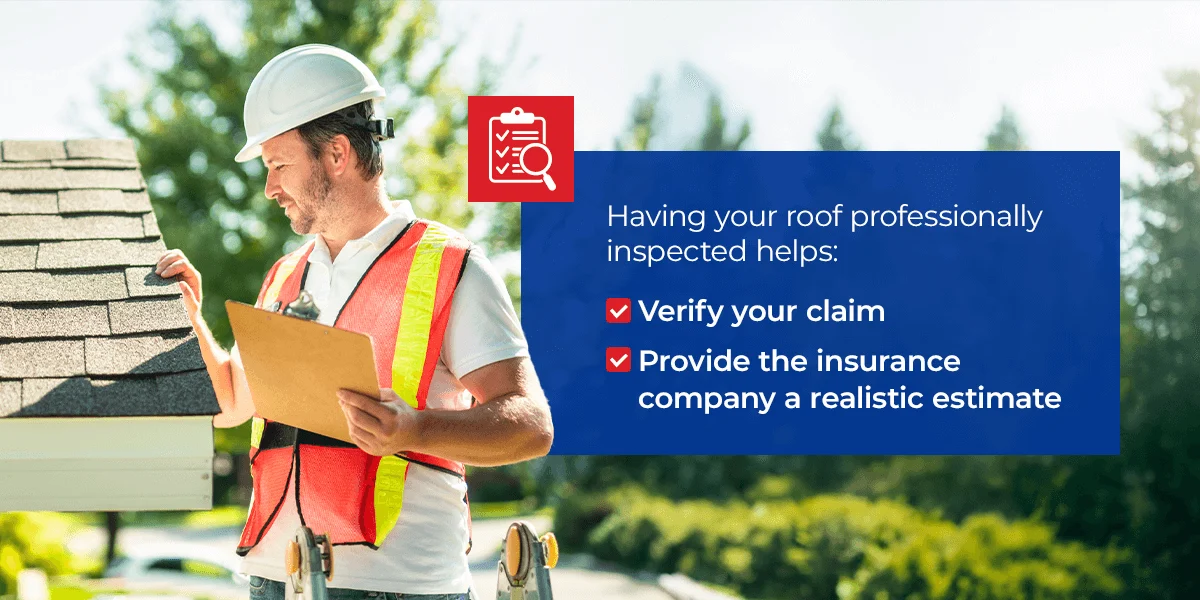
Professional roofing contractors will have the proper training and equipment to safely evaluate your roof and look for damage you cannot see from the ground. They can check the status of your roofing materials and look for structural damage. They will also provide a full report of the damage and a cost estimate for repairs or replacement that you can give to your insurance company.
Having your roof professionally inspected helps verify your claim and can help you give the insurance company a realistic estimate of costs so they don’t undervalue the repair.
4. Working With an Adjuster
Your insurance company will send a claims adjuster to investigate your claim and determine if the insurance company should pay for your roof damage and how much. Only the adjuster can approve your claim, so make sure you’re prepared for this visit.
Schedule the adjuster’s assessment when you and a representative from your preferred roofing company can be there. That way, you can provide all your documentation to the adjuster, and you and your roofing contractor can point out the issues you’ve seen with the roof. Write down a list of questions you have for the adjuster so you can have them on hand during their visit.
5. Understanding the Claim Settlement Process
After visiting your home, the adjuster will compile their findings and send you a report. If your claim is approved, the report will explain how much the insurance company will pay for the damage. When you get the report, compare it to your roofing estimate. You can accept it, request another inspection or ask the roofing company for a supplement — an official request for additional money from the insurance company — if they don’t agree with the amount.
The insurance adjuster may also deny your claim. The age of your roof, improper maintenance or installation, or lack of visible damage are all potential reasons for claim denials. However, you do have options if your claim is denied. AmeriPro Roofing is an established company with multiple locations throughout the Southeast, Midwest and Southwest. We have an experienced Customer Solutions Department (CSD) that provides support for claim denials. We’ll help gather the necessary documentation to support your claim so you can refile with your insurance company.
Once your claim has been approved, you can schedule your roof repair or replacement.
Learn About Emergency Roof Repair From AmeriPro Roofing
Since 2000, AmeriPro Roofing has provided homeowners with dependable roofing repairs and replacements. We are licensed, insured up to $1,000,000 and GAF Master Elite Certified. We offer 24/7 service for urgent roofing needs, including emergency tarp requests.
With our lifetime workmanship warranty, you can count on us to do the work today and provide the support you need tomorrow. Contact us to schedule your complimentary roof inspection and talk about the next steps.